






Article: Clarity Enhanced Diamonds vs. Non Enhanced Diamonds: Why Choose Clarity Enhanced Diamonds?
Clarity Enhanced Diamonds vs. Non Enhanced Diamonds: Why Choose Clarity Enhanced Diamonds?
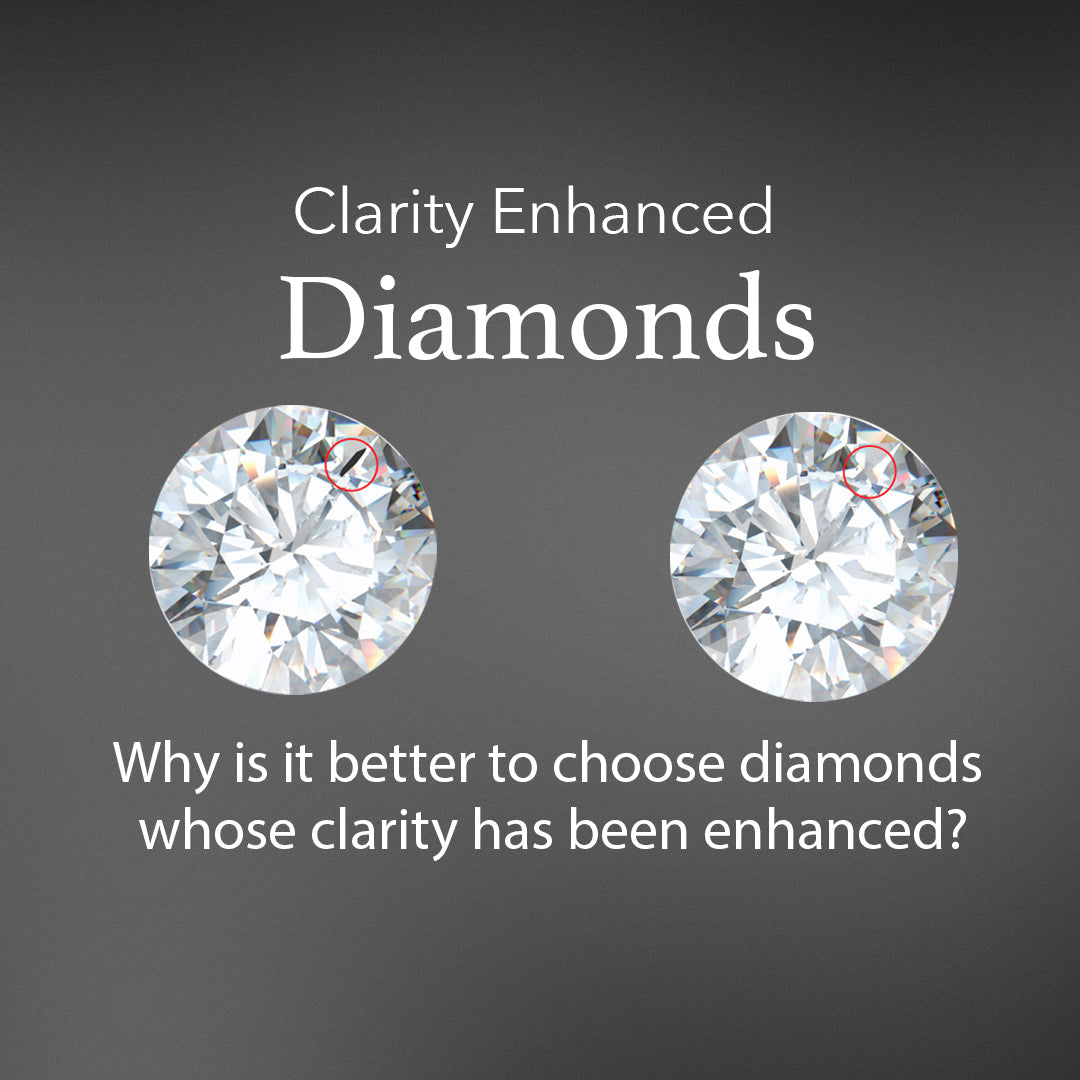
Clarity enhanced diamonds are natural diamonds. The difference from an untreated diamond is what happened after mining: their inclusions were made less visible, usually by laser drilling or fracture filling. An enhanced diamond costs less than an untreated diamond that looks the same. It is valued lower when resold, and, if it is fracture filled, it needs a jeweler who knows about the filling.
Below: how enhanced and untreated diamonds compare, why many buyers choose enhancement, what to accept in return, and how to tell which one you are buying. What the treatments are and how they work: clarity enhanced diamonds, explained.

Are clarity enhanced diamonds real diamonds?
Yes. A clarity enhanced diamond is a natural, earth-mined diamond, not a lab-created diamond and not a simulant such as cubic zirconia or moissanite. Its hardness, its brilliance and its carat weight are those of a diamond. Only its inclusions, the tiny marks it formed with in the earth, were made harder to see. The idea that enhancement makes a diamond "fake" is a myth.
Clarity enhanced vs untreated diamonds: what is the difference?
| Clarity enhanced | Untreated (natural, not enhanced) | |
|---|---|---|
| Natural, earth-mined? | Yes | Yes |
| How clean it looks | Cleaner than before treatment, often by one or more clarity grades in appearance | As it came from the earth and the cutter |
| Price for the same look | Lower | Higher |
| Resale and appraisal | Valued below an untreated diamond of the same apparent grade | Full market value for its grade |
| Lab reports | GIA grades laser drilled stones and notes the drill holes; it does not grade fracture filled stones | Graded normally |
| Care | Laser drilled: like any diamond. Fracture filled: tell the jeweler before repairs, resizing or harsh cleaning | Like any diamond |
| Disclosure | The seller must disclose it; ours is written on the certificate | No treatment to disclose |

Why choose a clarity enhanced diamond?
For most of history, people wanted diamonds as nature made them, and stones with dark spots or cracks were set aside. Today, laser drilling can remove a dark inclusion, and fracture filling can hide a small crack (a "feather"), so a stone that once looked flawed can look clean. Three reasons buyers choose one:
- Appearance for the budget. Large or dark inclusions block light. Once they are less visible, the diamond looks cleaner and brighter. The drill channel is a hair-thin tunnel you need magnification to find.
- A larger stone for the same money. An enhanced diamond is priced below an untreated diamond that looks equally clean, so the same budget can buy more carat or a better color. A 1.25 carat F color center, like the one in our Reverie art deco emerald cut ring, is within reach this way.
- It is still natural. The diamond formed in the earth over millions of years. Enhancement changes how clean it looks, not what it is.

What are the downsides of clarity enhanced diamonds?
- Lower resale value. If you may sell the diamond one day, an untreated stone of the same grade holds more value.
- Care for filled stones. The filler in a fracture filled diamond can be damaged by the heat of a jeweler's torch or by harsh cleaning such as boiling in acid. The stone may need to come out of its setting during repairs. Laser drilled diamonds need no special care.
- Fewer lab options. GIA does not issue grading reports for fracture filled diamonds, so the certificate comes from another laboratory.
Are clarity enhanced diamonds durable?
The diamond itself is as hard as any diamond, 10 on the Mohs scale, and the treatment does not make it softer. A filled fracture is still a fracture, though, so a hard knock on that spot carries the same risk it did before treatment. Wear it like any fine ring: take it off for heavy work, and tell your jeweler about the enhancement before any work on it.
How can you tell if a diamond is clarity enhanced?
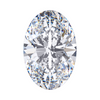
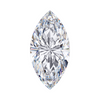
Read the certificate. In the US, the Federal Trade Commission's Jewelry Guides require sellers to disclose treatments like these, and an enhanced diamond's certificate names the treatment. Under magnification, a jeweler can see laser drill channels, or a flash of color in a filled fracture when the stone is tilted. On our product pages the clarity grade carries the word "Enhanced", as in SI1 (Enhanced), and the certificate comes with the ring. Examples: the Moonlit Sky oval solitaire (F, SI1 enhanced), the Luz 1.5 carat pear (H, VS2 enhanced), the Or east-west baguette ring (G, VS2 enhanced) and the Light Waves marquise ring (G, SI1 enhanced). More: natural oval diamond engagement rings.

Clarity enhanced vs color enhanced
Clarity enhancement makes inclusions less visible in a white diamond. Color enhancement changes the color of the whole stone. Our black diamonds are natural diamonds whose color has been enhanced, and that is written on their certificate too. More in our black diamond engagement ring guide.
Clarity enhanced vs untreated diamonds: FAQ
Are clarity enhanced diamonds real diamonds?
Yes. They are natural, earth-mined diamonds. Only their inclusions were treated after mining, so they look cleaner.
Is a clarity enhanced diamond lab-created?
No. Clarity enhancement is a treatment applied to a natural diamond. It does not create a diamond, and it does not turn a natural diamond into a synthetic one.
Is a clarity enhanced diamond worth less than an untreated one?
Yes. It is priced and appraised below an untreated diamond that looks the same. That is why it costs less to buy, and why it is worth less if resold.
Does clarity enhancement wear off?
Laser drilling is permanent. Fracture filling is stable in normal wear, but the filler can be damaged by high heat, such as a jeweler's torch, or by harsh cleaning.
Does GIA grade clarity enhanced diamonds?
GIA grades laser drilled diamonds and notes the drill holes on the report. It does not issue grading reports for fracture filled diamonds.
How do I know if a diamond is clarity enhanced?
Check the certificate, which must state the treatment. On our rings the product page lists the clarity as, for example, SI1 (Enhanced).


Leave a comment
This site is protected by hCaptcha and the hCaptcha Privacy Policy and Terms of Service apply.